
Views: 0 Author: Site Editor Publish Time: 2025-11-21 Origin: Site
Polypropylene pipe—often referred to as PP pipe, PP-R pipe, or polypropylene piping systems—has become one of the most trusted materials in plumbing, industrial processing, chemical transport, HVAC systems, agriculture, and high-purity fluid applications. Known for its excellent heat resistance, chemical durability, and outstanding long-term performance, polypropylene pipe continues to replace traditional metal and older plastic systems worldwide.
This guide offers a complete, easy-to-read, yet highly technical overview of polypropylene pipe—covering types, properties, installations, applications, advantages, limitations, FAQ, and everything you need to know before specifying or purchasing PP pipe.
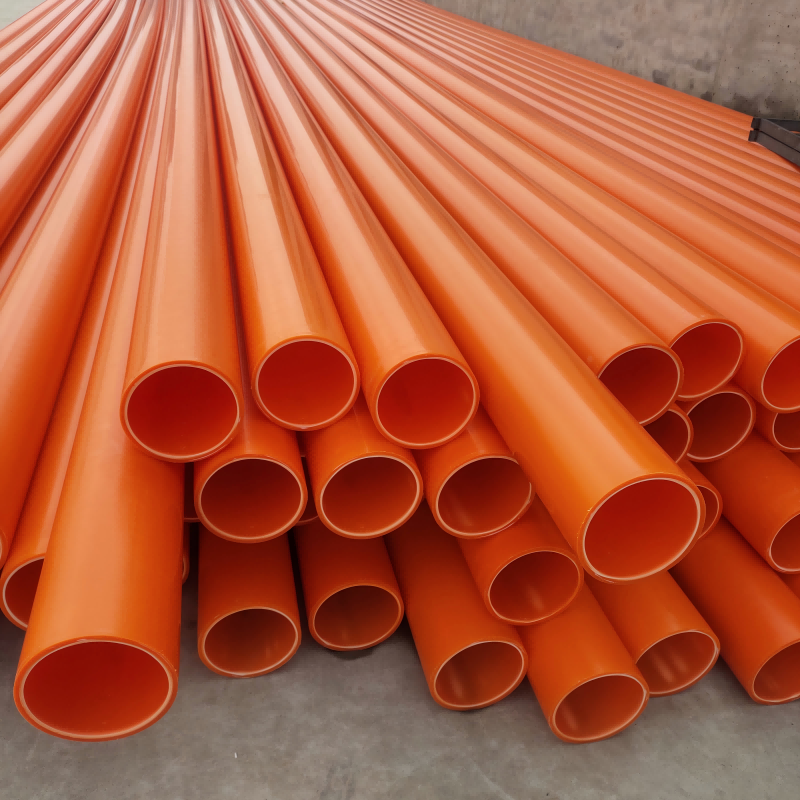
Polypropylene (PP) is a thermoplastic polymer belonging to the polyolefin family. It is known for:
High chemical resistance
Excellent heat stability
High mechanical strength
Low density (0.91 g/cm³)
Long service life
Outstanding weldability
Because of these combined attributes, polypropylene pipe has become a leading solution for transporting hot and cold water, aggressive chemicals, reclaimed water, steam condensate, and industrial effluents.
Polypropylene pipe is:
Physiologically safe (potable-water approved)
Corrosion-free
Smooth-walled with minimal pressure loss
Resistant to scale buildup
Highly weldable using heat fusion methods
Lightweight and easy to handle
Its temperature resistance ranges from 0°C to 95°C depending on pipe grade and stress conditions.
Polypropylene pipe comes in several formulations:
PP-H – Homopolymer: good mechanical strength, used in industrial piping
PP-B – Block copolymer: better impact strength, used in pressure piping
PP-R – Random copolymer: widely used for plumbing and heating
PP-RCT – Modified random copolymer offering enhanced crystallinity and higher pressure capacity at elevated temperatures
Each type serves different applications depending on temperature, pressure, and fluid characteristics.
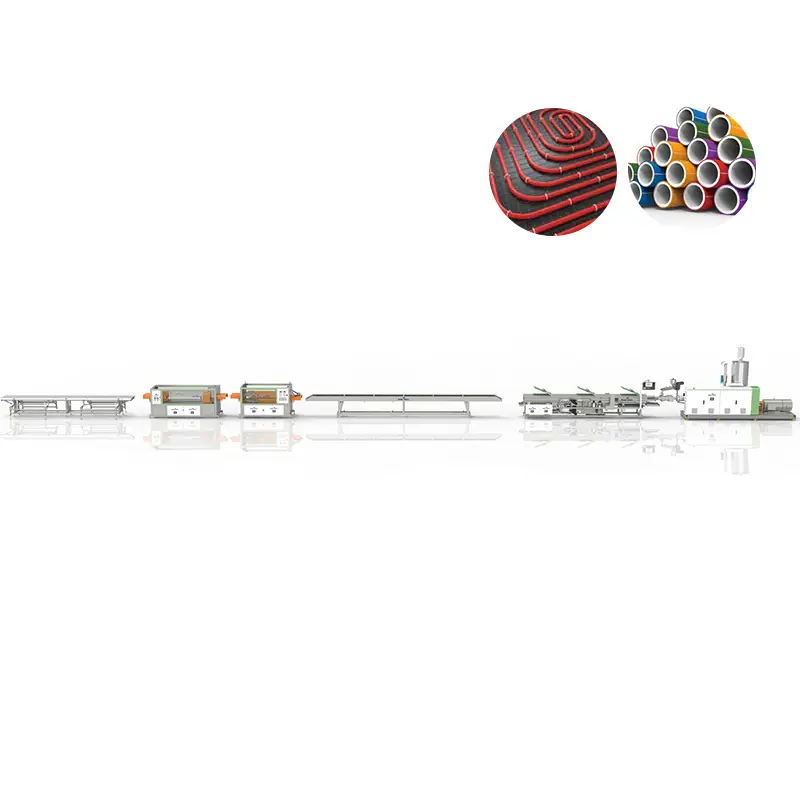
Polypropylene pipe undergoes a highly controlled manufacturing and processing cycle designed to maximize strength, chemical stability, and long-term performance. The production steps ensure that each pipe meets strict global standards such as DIN 8077/8078, EN ISO 15874, and ASTM F2389, which govern dimensions, material purity, and pressure capabilities.
The process begins with selecting the correct polypropylene grade:
PP-H (homopolymer) for industrial and chemical systems
PP-B (block copolymer) for higher impact resistance
PP-R (random copolymer) for plumbing and heating
PP-RCT for advanced temperature and pressure performance
Manufacturers blend in performance-enhancing additives, including:
Heat stabilizers
Antioxidants
UV absorbers
Pigments (grey, beige, violet for reclaimed water)
Fiber-reinforcement compounds (for PP-RCT multilayer pipes)
These additives improve weldability, stability, and resistance to heat, chemicals, and UV exposure.
Extrusion is the principal process used to form polypropylene pipes.
Melting – PP pellets are heated until they reach a controlled molten state.
Extrusion Through Dies – The molten polymer is pushed through specially designed extrusion dies that determine the pipe’s outer diameter and wall thickness.
Calibration – The hot pipe is passed through a vacuum calibrator to achieve precise dimensions.
Cooling Process – Pipes enter a controlled water bath to maintain structural integrity.
Cutting – Pipes are cut into standard lengths (4 m, 5.8 m, or 6 m depending on region).
Embossing & Stamping – Pipes are marked with SDR, PN rating, standards, and batch information.
This process ensures consistent wall thickness, smooth internal surfaces, and high pressure capability.
For advanced polypropylene pipe systems such as Faser FIBER-T, FIBER-COND, and FIBER-LIGHT, production includes:
Applying an internal layer of PP-RCT for improved temperature performance
Adding a middle layer of PP-RF (fiber-reinforced polypropylene) to reduce thermal expansion
Forming an external protective PP-R layer for strength and flexibility
These multilayer systems offer:
Higher flow rates
Lower thermal expansion
Increased operating temperature ranges
Because polypropylene is resistant to solvents, it cannot be glued. The manufacturing process ensures compatibility with several fusion joining methods:
Heating tools melt the internal surface of the fitting and the outer surface of the pipe, then join them to form a leak-proof weld.
Two pipe ends are heated simultaneously and pressed together to create a homogeneous, ultra-strong joint.
Electric heating coils inside specialized couplers melt the pipe surface and fuse them together.
The precision of the extrusion process ensures that these joining methods are highly reliable in both high-pressure and chemically aggressive environments.
Each batch of polypropylene pipe undergoes:
Dimensional analysis
Pressure and burst tests
Thermal aging tests
UV resistance trials (for UV-stabilized pipes)
Chemical resistance compatibility checks
This guarantees performance in applications ranging from potable water systems to chemical processing plants.
PP handles higher temperatures than PVC
PVC can be solvent-welded; PP cannot
PP offers higher chemical resistance to acids and alkalis
According to the reference content:
PP has higher temperature resistance (up to ~95°C)
PE is more flexible but limited to around 60°C
PP generally has better pressure capacity
Compared with copper or steel:
PP will never corrode
PP weighs up to 90% less
PP offers excellent thermal insulation and lower heat loss
Polypropylene pipes maintain excellent strength across a wide temperature range. Impact resistance improves at higher temperatures and decreases at colder temperatures.
PP-H and PP-R withstand 0–95°C depending on load
PP-RCT offers superior heat performance
PP is resistant to:
Acids
Alkalis
Ammonium compounds
Agricultural chemicals
Phosphoric acid
Hydrochloric acid
Not recommended for:
Gasoline
Kerosene
Toluene or xylene
High concentrations of free chlorine
PP is not permanently UV-resistant, unless specially stabilized. UVRES polypropylene pipes have more than 30× improved UV resistance.
The internal roughness of PP-R pipes is extremely low (0.007 mm), offering:
Higher flow capacity
Lower pumping energy requirements
Less risk of scale or deposits
Used for:
Industrial chemical lines
Acidic wastewater
Container construction
Preferred for:
High-impact applications
Cold-water piping
Most popular for:
Hot and cold domestic water
Hydronic heating
Industrial process water
Newest generation of PP pipe with:
Increased crystallinity
Higher temperature and pressure performance
Longer service life
Examples include:
FIBER-T (SDR 7.4)
FIBER-COND (SDR 11)
FIBER-LIGHT (SDR 17.6)
These multilayer pipes reduce thermal expansion and improve performance under pressure.
Classified by:
OD measurement (mm)
SDR rating
PN (pressure) rating
Common PP pipe SDRs:
SDR 6
SDR 7.4
SDR 11
SDR 17.6
PP pressure ratings vary from 6 bar to 15 bar, depending on SDR and operating temperature.
Measured by:
Nominal Bore (inch)
Classes A–E (e.g., Class E = 15 bar)
Hot & cold water distribution
Potable water (WRAS approved)
Ideal for:
Acidic solutions
Alkali-based fluids
Aggressive wastewater
Pickling plants
Used for:
Heating loops
Cooling lines
Compressed air
PP performs well in:
Fertilizer transport
Irrigation networks
Agricultural chemical distribution
Violet PP pipes comply with regulations and resist alkaline conditions.
PP is inert and used for:
Deionized water
Reverse osmosis water
Medical and lab systems
PP cannot be solvent-welded; instead, it must be fused.
Heated dies melt inner fitting & outer pipe, then fuse.
Pipe ends are heated and pressed together for a seamless joint.
Electrically heated couplers create reliable pressure joints.
Used where fusion is impractical, but less common.
Allow for thermal expansion
Use proper support spacing
Avoid over-tightening clamps
Ensure correct heating time during fusion
Long service life (50+ years)
High resistance to chemicals, acids, and alkalis
Lightweight and easy to transport
Excellent weldability and leak-free joints
Low thermal conductivity = energy savings
Smooth interior for high flow rates
Corrosion-free and scale-free
Environmentally friendly & recyclable
Not suitable for hydrocarbons (oil, gasoline)
Sensitive to UV unless stabilized
Expansion under heat requires compensation
Cannot be solvent-welded
Requires trained installers for fusion methods
EN ISO 15874
DIN 8077 / 8078
ASTM F2389
WRAS potable water approval
ICC-ES, IIP, Lloyd’s Register
Polypropylene piping systems typically last 50 years or longer when properly installed. Routine inspections should check:
Fusion joints
Support spacing
UV exposure (if outdoors)
Signs of external stress
Yes. PP-R and PP-RCT frequently meet global potable-water regulations.
Yes—if UV-stabilized (e.g., UVRES). Standard PP should be shielded from direct sunlight.
No. It must be joined using heat fusion or mechanical fittings.
PP-R: up to 95°C
PP-RCT: even higher at certain pressures
Most acids, alkalis, and many agricultural chemicals.
Polypropylene pipe is one of the most versatile, reliable, and cost-effective piping materials available today. Its combination of heat resistance, chemical durability, smooth flow characteristics, corrosion immunity, and long service life makes it ideal for residential plumbing, industrial chemical lines, reclaimed water systems, HVAC, agriculture, and high-purity applications.
When installed correctly, PP pipe provides decades of worry-free performance—offering a modern alternative to traditional metal and rigid plastics.


