Views: 0 Author: Site Editor Publish Time: 2026-06-13 Origin: Site
You use a pvc profile extrusion machine to change raw pvc into long shapes like profiles, pipes, and sheets. Bkwell’s pvc extrusion machine has new features that make plastic making quicker and more dependable. You find these machines in factories where making strong pvc sheets and profiles is important for building or car use. New extrusion technology uses up to 15 percent less energy, helps save money, and makes plastic production better for the environment. Smart controls and recycling systems help you make good pvc sheets and profiles with less waste.
Table of Contents
PVC profile extrusion machines change raw PVC into long shapes like pipes and sheets. These shapes are important for building and car industries. The extrusion process heats, melts, shapes, cools, and cuts PVC. This makes strong profiles. Modern machines use less energy and lower costs. This helps make production faster and better for the environment. There are different extrusion machines, like single-screw and twin-screw. These machines help with different jobs and mix materials well. Quality control is very important. Workers check materials and finished products often. This keeps the products the same and stops mistakes. PVC profiles last a long time. They do not rust or rot. This makes them good for homes and factories. You can recycle PVC in extrusion. This helps the planet and cuts down on waste. PVC extrusion can make many shapes and sizes. This helps meet many needs in building, furniture, and packaging.
A pvc profile extrusion machine changes raw pvc into long shapes. It helps make pipes, sheets, and profiles from plastic. There are different machines for different jobs. Look at this table to see the main types and their uses:
Type of Machine | Description | Typical Applications |
|---|---|---|
Single-Screw Extrusion Machine | Has one screw that melts and pushes pvc through the barrel. | Makes basic pipes, sheets, and profiles. |
Twin-Screw Extrusion Machine | Has two screws for better mixing and more output. | Makes complex pvc products needing good mix. |
Specialized Extrusion Lines | Made for special products with advanced controls and precise dies. | Used for pipes, profiles, cables, foam sheets. |
These machines make pipes for water, window frames, and other plastic things.
First, you prepare the pvc material. You put plastic pellets or powder into the hopper. The machine heats the pvc in the barrel until it melts. The screw mixes and pushes the melted plastic forward. The melted pvc goes through a die to get the shape you want. The shaped plastic cools in a water bath to get hard and keep its shape. After cooling, the machine cuts the plastic into the right lengths. You check the quality of the finished pvc profiles.
Here are the main steps in order:
Put pvc material into the hopper.
Heat and melt the plastic in the barrel.
Push the melted pvc through the die to make the shape.
Cool the shaped plastic so it gets solid.
Cut the cooled plastic into pieces.
Check the finished pvc profiles.
A pvc profile extrusion machine has many good points. You save money because it uses less material and energy. The equipment costs less than other ways to shape plastic. You can make many products, like pipes and window frames, with one machine. The process is fast and makes long, even profiles. You can use recycled plastic, which is good for the environment. The machine lets you control the shape, size, and quality of each pvc product. You get strong, light, and tough plastic parts for many uses.
Tip: Extrusion machines help you make custom plastic profiles for building, cars, and farming. You can change the machine to make different shapes and sizes when you need them.
You start by getting the right material ready. The pvc extrusion process uses pvc resin, which looks like a fine powder. You add things like stabilizers, lubricants, fillers, and other additives to the resin. These extra ingredients help the plastic move better and make the final product strong. For rigid pvc, you mix dry resin with the additives. For flexible pvc, you use pellets or ready-made compounds. You need to dry the material before using it. Drying takes out water that can cause problems during extrusion.
Rigid pvc uses dry resin, stabilizers, lubricants, and fillers.
Flexible pvc uses pellets or ready-mixed compounds.
Mix all the ingredients in fast mixers so everything is even.
The right mix helps the process go smoothly and makes good products.
Drying the material stops problems from happening during extrusion.
After you get the material ready, you mix and feed it. High-speed mixers blend the pvc resin and additives together. This step makes sure the material is even and ready for the next part. You put the mixed material into the hopper of the pvc profile extrusion machine. The hopper sends the material into the extruder. If you use twin-screw extruders, you get better mixing and more control over heat. This helps you get a smooth mix for making profiles.
Mix the pvc resin and additives until they are even.
Put the mixed material into the hopper.
Twin-screw extruders give better mixing and heat control.
Good mixing and feeding stop problems in the finished product.
Always check that the material is dry before putting it in the machine.
Next, you melt and move the material. The extruder barrel and screw heat and push the material forward. The screw turns inside the hot barrel. This melts the pvc and moves it along. The right heat and pressure are important for this step. The screw also mixes the material and gets rid of air bubbles. You need to keep the material moving at the same speed for good results.
You control the heat in different parts of the barrel. Here is a table that shows the usual temperatures:
Zone | Temperature (°C) |
|---|---|
Feed zone | 140-160 |
Compression zone | 165-185 |
Metering zone | 180-200 |
You must keep the heat high enough to melt the pvc but not too high. If it gets too hot, the pvc can break down. The right heat and pressure make the melted pvc smooth and even.
You have to watch the heat carefully during melting and moving. Heaters around the barrel warm up the pvc in steps. This makes sure the pvc melts the same way all over. If the heat is too low, the pvc will not melt right. If it is too high, the pvc can get ruined. Sensors and smart controls help you keep the heat just right. Good heat control is important for making strong profiles.
Keep the heat steady in each part of the barrel.
Use sensors to check the heat while working.
Change the heaters to fit what the material needs.
Good heat control stops problems and makes smooth, strong profiles.
Always watch for signs of too much or too little heat.
After melting, you shape the pvc with a die head. The die head gives the melted pvc its final shape. Each profile needs its own special die. The die must be made well to get the right size and smooth surface. A good die helps you avoid mistakes in the process. You can change the die to make new shapes with the same machine.
Use a special die for each profile shape.
Make sure the die is clean and has no damage.
Check the die often to see if it is worn out.
A good die gives the right size and smooth surface.
You can switch dies to make different products.
When the pvc comes out of the die, you form the final profile. The melted pvc comes out in the shape you want. You need to cool the profile slowly to keep its shape. Cooling too fast or too slow can cause warping or shrinking. You use tools to check the size and surface. This step is important for all kinds of profiles, like window frames or pipes.
Guide the profile from the die into the cooling system.
Cool the profile slowly to keep its shape.
Use tools to check the size and surface.
Good forming makes strong, even products.
Always watch for changes in shape or size.
Tip: Careful shaping and forming help you make good pvc profiles for many uses. You can change the die and cooling steps to fit each product.
After you shape the hot PVC profile, you must cool it down and make sure it keeps the right size. Cooling and calibration are very important steps in the pvc profile extrusion machine process. If you do not cool the profile correctly, it can warp or lose its shape.
You use a water bath to cool the hot PVC profile quickly and evenly. The profile moves straight from the die into a long tank filled with water. The water takes away heat and helps the profile become solid. This method works well because water cools the plastic faster than air. You must keep the water clean and at the right temperature. If the water is too hot or too cold, the profile can change shape or crack.
Water bath cooling makes the profile strong and keeps its shape.
Good cooling stops problems like warping or uneven thickness.
You should check the water level and temperature often.
Tip: A solid cooling system helps you make high-quality profiles every time.
After cooling, you use a calibration table to set the exact size and shape of the profile. The calibration table uses special molds or guides that hold the profile in place. Some tables use a vacuum to pull the profile against the mold. This keeps the profile straight and smooth. The vacuum also helps remove any air bubbles. You can adjust the table to fit different shapes and sizes.
The calibration table makes sure the profile has the right measurements.
Vacuum calibration keeps the profile from bending or shrinking.
You get a smooth surface and even walls.
A good calibration system helps you meet strict quality standards. You can make profiles that fit perfectly in windows, doors, or other products.
When the profile is cool and the size is correct, you need to cut it to the right length and finish the edges. This step makes the product ready for use.
The haul-off unit pulls the cooled profile out of the calibration table at a steady speed. This unit uses rubber belts or rollers to grip the profile gently. You can change the speed to match the production rate. If you pull too fast or too slow, the profile can stretch or compress. The haul-off unit keeps the profile moving smoothly to the cutting machine.
The haul-off unit controls the speed and tension.
Smooth pulling stops damage or marks on the profile.
You can adjust the unit for different shapes and sizes.
You use a cutting machine to cut the profile into pieces of the right length. There are different tools for cutting, such as saws or blades. For thin profiles, you can use a scoring tool. For thick or hard profiles, you might use a miter saw or table saw. Some machines use a laser cutter for very precise cuts. After cutting, you finish the edges by sanding or polishing. This removes any rough spots or burrs.
Step | Process | Purpose |
|---|---|---|
1 | Ensures accurate cutting position | |
2 | Select the right cutting tool | Matches the tool to material thickness |
3 | Perform the cutting operation | Makes the actual cut with control |
4 | Edge finishing and surface treatment | Removes burrs and smooths rough edges |
Cutting machines help you get the exact length you need.
Edge finishing makes the profile safe and ready for assembly.
Good finishing improves how the profile looks and works.
Note: Always check the cut edges for smoothness. Smooth edges help the profile fit better in windows, doors, or other products.
When you work with pvc profile extrusion, you need to know about the main equipment and technology. The right machines help you melt, shape, and finish pvc plastic into strong profiles. You also use extra equipment to make production better and keep quality high.
Every pvc profile extrusion line has several important parts. Each part does a special job. Here is a table that shows the main components and what they do:
Component | Function |
|---|---|
Extruder | Melts and moves pvc material with a turning screw inside a hot barrel. |
Die Head | Shapes the melted pvc into forms, changing size and surface. |
Calibration and Cooling System | Makes the shape solid and keeps the size correct. |
Haul-Off Unit | Pulls the product out at a steady speed and stops bending. |
Cutting Machine | Cuts the long pvc into pieces using different cutting tools. |
The extruder is where you start. This machine melts the pvc and pushes it forward. The extruder uses a screw that turns inside a hot barrel. You control how fast the screw turns and how hot the barrel gets. The extruder is the main part of the pvc extrusion process. It makes sure the plastic moves smoothly and evenly.
After the extruder melts the pvc, the material goes into the die head. The die head shapes the hot plastic into the profile you want. You can change the die head to make new shapes. The die head design changes the size and surface of the finished product.
The calibration system helps keep the right size and shape. This equipment uses molds or guides to hold the profile steady. Some systems use a vacuum to pull the plastic against the mold. The calibration system works with the cooling system to keep the profile straight and smooth.
You need a cooling system to make the hot pvc profile solid. Most lines use water baths or spray cooling. The cooling system takes away heat fast and helps the profile keep its shape. Good cooling stops warping and makes the plastic strong.
The haul-off unit pulls the profile out of the cooling system at a steady speed. This equipment uses belts or rollers to grip the plastic gently. The cutter slices the profile into the right lengths. You can use saws, blades, or lasers for cutting. The haul-off and cutter work together to give you clean, even pieces.
Auxiliary equipment helps the main extrusion process. You use these tools to handle, mix, and move pvc material. Auxiliary equipment also helps you recycle scrap and check quality.
Truck or railcar unloading systems bring in raw pvc material.
Cycling loaders and vacuum conveying systems move material to storage bins or silos.
Material silos and storage bins keep pvc safe and dry.
Pumps, conveying lines, and loaders send material to the extruder.
Drying systems and dehumidification units take water out of the material.
Feeders, blenders, and mixers make sure you have the right mix.
Weigh scales help you measure material for each batch.
Calibrators and dies work with the main equipment to shape the plastic.
Vacuum and cooling tanks help with cooling.
Temperature control units keep the equipment at the right heat.
In-line measurement systems check the size and quality.
Pullers, cutters, and take-off equipment handle the finished product.
Granulators and scrap-reprocessing equipment let you recycle leftover plastic.
Tip: Using the right auxiliary equipment helps you save time, cut waste, and make better pvc profiles.
Modern pvc extrusion equipment uses new technology to make the process faster, smarter, and more eco-friendly. You can see many improvements in recent years.
New extrusion equipment uses energy-saving systems. You find better heating and cooling zones, motors that use less power, and smart controls. These features lower power use and help you save money. Some extruders use servo drive systems that cut energy use by up to 25 percent.
You can use automation and smart controls to run your extrusion line. PLC-based systems and real-time monitoring help you keep the process steady. These controls let you change settings quickly and cut waste. Some lines use AI to change settings and keep quality high.
You can now use recycled pvc material in your extrusion process. Modern equipment lets you use recycled plastic without losing quality. This helps you lower costs and protect the environment. High-precision tooling and adaptive cooling systems also help you make better products with less waste.
Note: Industry 4.0 features, like built-in connectivity and predictive maintenance, make your extrusion line more reliable and efficient.
PVC profile extrusion machines are used a lot in building. They help make window and door profiles. These profiles are strong and last many years. They do not rust or rot. You can use them in homes and offices. PVC profiles keep heat inside and block noise. They need little care and cleaning. You can pick many shapes and sizes. The machine can change dies for each job.
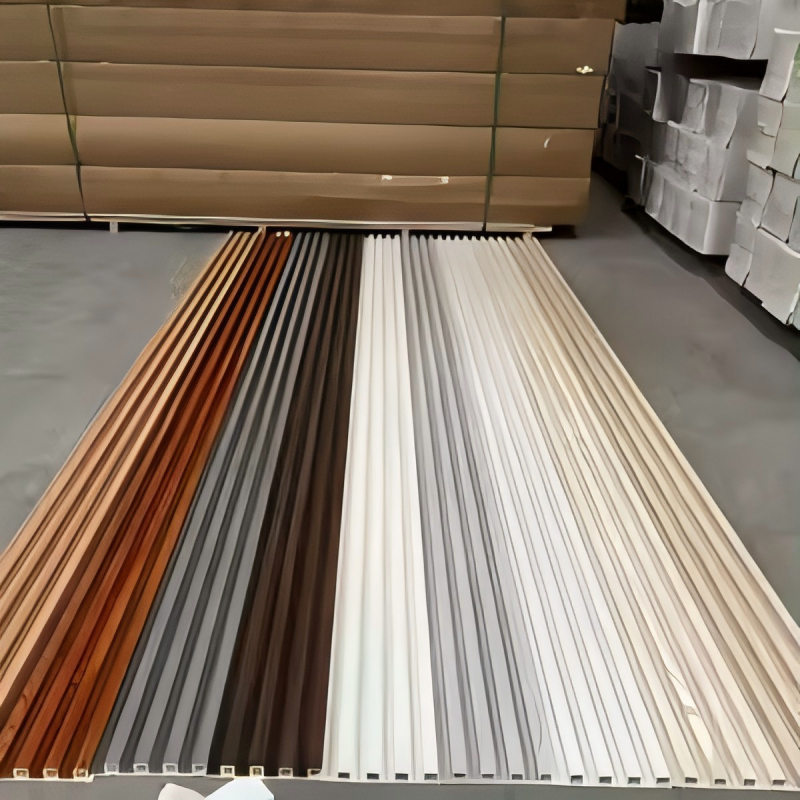
Wall and ceiling panels are another common use. PVC extrusion makes panels for walls and ceilings. These panels look good and are easy to put up. They resist water and stains. You can use them in kitchens and bathrooms. PVC panels are light but strong. You can choose from many colors and designs. The panels hide wires and pipes. This keeps your space neat.
Tip: PVC extrusion lets you make panels with special textures or patterns. You can match any style you like.
PVC profile extrusion makes cable trunking. Cable trunking is a plastic channel for wires. It keeps wires safe from damage. It hides cables and makes rooms tidy. You find cable trunking in homes, schools, and offices. The machine can make trunking in many shapes. You can color code trunking for easy sorting.
Conduit profiles are also important. PVC extrusion makes tubes for electrical wires. These tubes protect wires from water and fire. PVC conduit profiles are light and easy to cut. They do not rust like metal pipes. You can bend them to fit any space. They are good for new buildings and repairs. PVC conduit profiles are common in electrical work.
In cars and factories, PVC extrusion makes custom profiles. These profiles can be seals, gaskets, or trims. They keep out dust, water, and noise. PVC custom profiles fit many shapes and sizes. You can use them for dashboards, doors, or windows. The machine makes strong and flexible parts that last.
Protective covers are another big use. PVC extrusion makes covers that shield parts from damage. These covers go on edges, wires, or machines. They stop scratches and bumps. PVC covers are light and easy to put on. You can use them in cars, factories, or on farm tools. This shows how plastic extrusion helps many industries.
Note: PVC extrusion is flexible. You can design covers and profiles for almost any need. That is why you see many uses for plastic extrusion in daily life.
Application Area | Example Products | Key Benefits |
|---|---|---|
Construction | Window frames, wall panels | Durable, low maintenance, versatile |
Electrical Management | Cable trunking, conduit profiles | Safe, organized, easy to install |
Automotive/Industrial | Seals, covers, trims | Protective, custom fit, lightweight |
PVC profile extrusion machines help make many things for furniture and rooms. You can use these machines to make parts that look nice or do a job. PVC profiles make furniture, cabinets, and walls stronger and better looking.
Decorative moldings made from PVC give rooms a nice finish. You can pick from many shapes, colors, and textures. These moldings work for baseboards, crown moldings, and wall trims. They are easy to put in, so you save time. Many designers like PVC trim profiles and panels because they look good and last long.
PVC moldings have many styles and finishes.
You can match them to any room you want.
They do not get damaged by water, so use them in kitchens or bathrooms.
You can install them easily, even if you are new.
PVC decorative profiles also hide gaps or rough spots. You can use them to cover where walls and ceilings meet. This makes your room look neat and tidy.
Edge banding is another big use for PVC profiles. You use edge banding to cover the rough edges of furniture panels. This makes tables, shelves, and cabinets look smooth and safe. PVC edge banding keeps furniture safe from damage and water.
Edge banding comes in many widths and colors.
You can pick a finish that matches your furniture.
It sticks well to wood, particleboard, or MDF.
Edge banding helps furniture last longer.
You can put on PVC edge banding with glue or heat. The job is quick and gives a clean look. Many furniture makers use PVC edge banding because it is strong and easy to use.
PVC profile extrusion machines help many other industries too. You see these machines in packaging and farming. They help make useful and strong products.
In packaging, you use PVC profiles to make strips, corner guards, and sealing profiles. These parts keep things safe when shipping or storing. PVC films and sheets made by extrusion also wrap and protect goods. You can pick clear or colored options for what you need.
PVC packaging profiles are light and bend easily.
They do not get damaged by water or chemicals.
You can recycle many PVC packaging products.
PVC extrusion lets you make special shapes for packaging. This helps protect breakable things and cut down on waste.
Farmers use PVC profiles for many jobs. You find PVC irrigation pipes, greenhouse profiles, and water channels made by extrusion. These products do not rust and last outside in bad weather.
PVC agricultural profiles help move water and protect plants.
They are easy to put in and move around.
You can use them for fences, plant supports, or drains.
PVC profile extrusion gives you strong products for the farm. You can count on these profiles to work well every year.
Tip: PVC extrusion machines help you make products for many jobs. You can make profiles that fit what you need, for furniture, packaging, or farming.
You spend less money when you use pvc extrusion. This process uses less energy and fewer workers than making things from metal or wood. You can make many profiles at once, so your costs go down. Most factories see that pvc is cheaper to shape and process. This means you can sell strong and useful products for a lower price.
Pvc extrusion lets you make many different things. You can create plastic profiles in almost any shape, size, or color you want. If you need a special look or design, you can change the machine and die. This makes it easy to meet needs in building, furniture, or packaging. You can also use recycled plastic, which gives you even more choices.
Pvc plastic is tough and lasts a long time. It does not rust, rot, or get ruined by water. You can use pvc profiles outside or where there are chemicals. The material keeps its shape for years. This is why pvc is a good pick for windows, pipes, and panels.
Here is a table that shows the main benefits:
Benefit | Description |
|---|---|
Versatility | Pvc extrusions can be customized in various shapes, sizes, colors, and finishes for specific needs. |
Cost-effective | Generally, pvc is less expensive than metals or wood due to lower processing and labor costs. |
Durable | Pvc is resistant to corrosion, moisture, and chemicals, making it suitable for harsh environments. |
Tip: With pvc extrusion, you get plastic products that are strong, flexible, and not too expensive. You can use them for many jobs.
You need good quality checks to make sure your pvc profiles are always the same. Start by testing the raw materials before you begin. Watch the extrusion process closely for changes in heat or speed. Check finished products for size, shape, and surface problems. Many factories use certifications like ISO 9001 to show they follow strict rules. This helps you know every plastic profile is made right.
Test raw materials to make sure they are good.
Watch the extrusion process for steady results.
Check finished profiles for mistakes or flaws.
Taking care of your pvc extrusion machine helps you avoid trouble. Clean the machine often and look for loose bolts or worn parts. Oil moving parts and make sure the barrel heats up before you start. Watch the motor and control panel for warning signs. Change oil, clean filters, and check belts on a regular plan. These steps help your machine last longer and make better products.
Frequency | Maintenance Task |
|---|---|
Monthly | Check and replace lubricating oil, inspect motor brushes, and clean filters. |
Seasonal | Remove dust from control cabinets and apply anti-corrosion measures. |
Annual | Inspect and calibrate heating, cooling, and safety systems. |
Note: Regular care keeps your pvc extrusion line working well and stops long breaks.
You can help the environment by using smart ways to make pvc profiles. Pick local factories to cut down on travel pollution. Follow rules to keep air and water clean. Use machines that save energy to use less power. Recycle scrap plastic and use closed-loop systems to cut waste. Make products that last longer so you do not have to replace them often. Many companies now try new, eco-friendly materials to make pvc profiles even better for the planet.
Use recycled plastic to make less waste.
Pick machines that use less energy.
Follow rules for cleaner production.
Make strong products that last a long time.
Tip: When you focus on being green, you help the earth and make a better future with pvc extrusion.
You have learned that a pvc profile extrusion machine helps many factories work better. POLYTECH’s system is known for being reliable and easy to use. It also makes lots of products quickly, so your work stays steady. When picking a machine, check if it works well, lasts long, and comes with good help. New ideas like automation, saving energy, and smart cooling make your products better and help the planet. If you know each step in the process, you can make things faster and reach your goals.
Remember: Knowing how to use the machine and steps is important for making good products and running your factory well.
Trend | Benefit for Production |
|---|---|
Automation | More products and steady quality |
Energy Efficiency | Spend less money and help the earth |
Adaptive Cooling | Quicker and more steady production |
A PVC profile extrusion machine makes long plastic shapes. It can make pipes, window frames, and panels. You use these shapes in building, furniture, and electrical jobs.
You can use recycled PVC in these machines. Many new machines work well with recycled plastic. This saves resources and makes less waste. You still get strong and useful products.
You check the raw materials before starting. You watch the process while making profiles. You look at finished profiles to see if they are good. Automated systems help keep quality the same. Regular checks help you find and fix problems fast.
You can make more products in less time. This helps you save money and fill big orders. Good controls and equipment keep the quality steady.
You change the die head on the machine. Each die makes a different shape. You can make many shapes with one machine by switching the die.
PVC profiles made by extrusion are safe to use inside. They do not rust or rot. You can use them for window frames, wall panels, and furniture in homes and offices.
POLYTECH’s extrusion machinery works fast and does not break down often. You can use it for many hours without stopping. This makes it a good pick for busy factories.
Tip: Always read the machine’s manual and follow safety rules for the best results.